
What is an Individual Pension Plan and Is It Right for You?
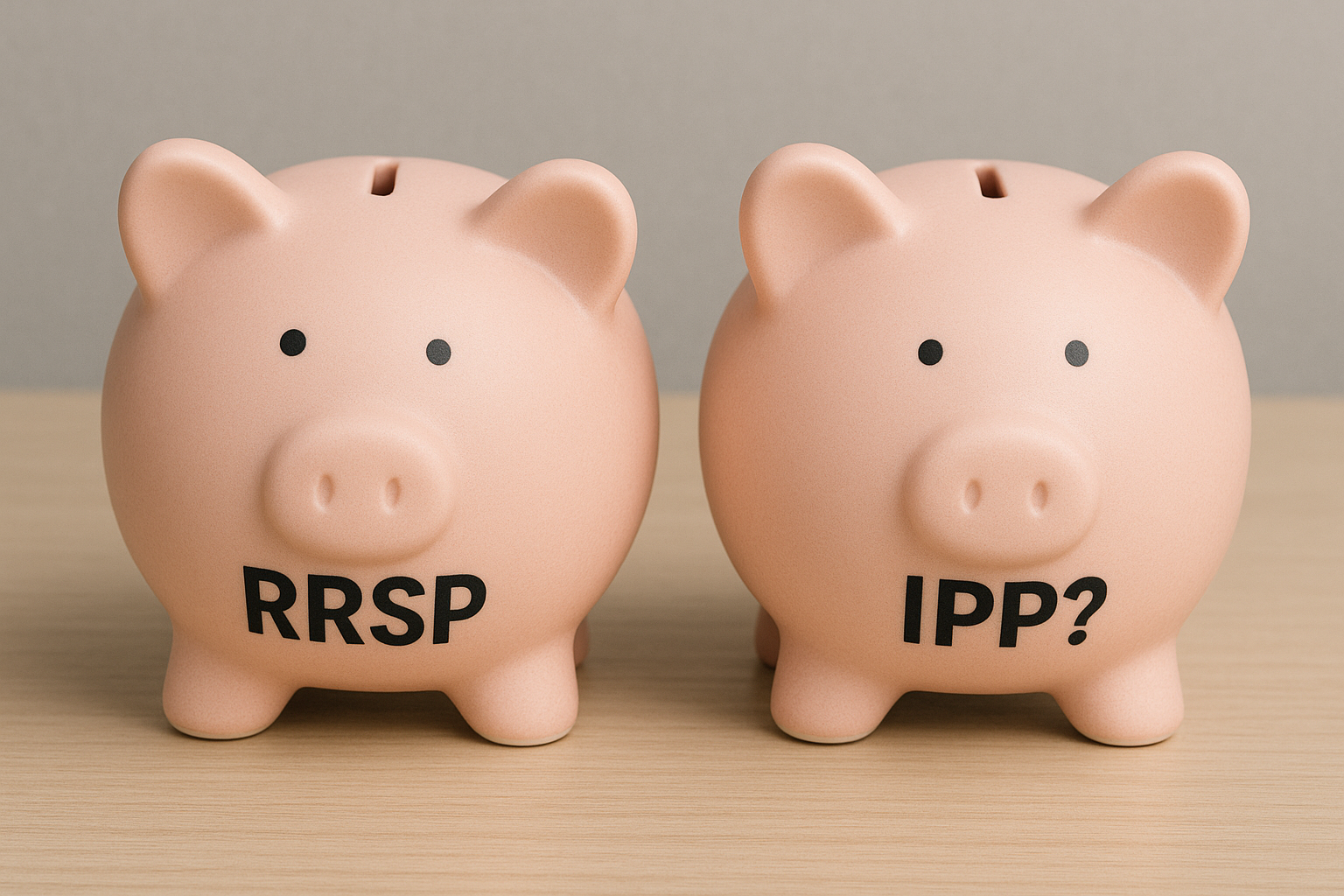
As a business owner, your focus is often on growing the company. But just as important is creating a secure retirement strategy. Many are familiar with RRSPs, yet fewer know about a powerful alternative: the Individual Pension Plan, or IPP.
What is an IPP?
An IPP is a defined benefit pension plan created by an incorporated company for one key person, often the owner or an executive. Unlike an RRSP, where your retirement income is determined by market performance, an IPP guarantees a pre-determined annual income in retirement. That figure is calculated based on your T4 earnings and years of service. Your company then makes contributions, determined by an actuary, to ensure the plan has enough to fund that income. For the right person, this structure can lead to as much as 65 percent more in retirement assets compared to an RRSP.
Who Should Consider an IPP?
An IPP is most effective for incorporated business owners and professionals over the age of 40 who draw consistent T4 income of at least $100,000. It is especially valuable for long-time incorporated professionals who may have reinvested profits back into the business rather than maximizing personal savings. By using an IPP, they can make up for lost time and accelerate retirement contributions. On the other hand, IPPs are generally not suitable for sole proprietors, business partners, or owners who primarily compensate themselves through dividends.
The Key Benefits
One of the most compelling advantages of an IPP is the ability to make larger contributions than are permitted under RRSP limits once you pass the age of 40. These contributions, along with all administrative and management fees, are 100 percent tax-deductible to the corporation, while the growth inside the plan remains tax-deferred until retirement. Another unique feature is the ability to fund past service, allowing companies to make a one-time lump-sum contribution for years of service dating back to 1991. This can create an immediate boost in retirement savings. Perhaps most importantly, IPPs provide predictability and security. Your retirement income is defined in advance, and if returns fall short of CRA assumptions, your company can make additional tax-deductible contributions to keep your plan on track. In many cases, IPP assets may also benefit from creditor protection, adding another layer of security.
Addressing Common Concerns
Some business owners hesitate because they believe IPPs are complex, rigid, or too costly. In reality, the administrative burden is handled entirely by actuaries and advisors. For you and your accountant, it is straightforward. You simply receive a tax slip at year-end. Flexibility is also greater than many realize. For example, in Alberta, contributions are not mandatory every year, meaning you can reduce or pause them during slower periods and catch up later. As for cost, while there are annual administration fees, they are fully tax-deductible to the corporation, and the extra contribution room typically outweighs the fees within the first few years.
What Happens at Retirement?
When you reach retirement, an IPP provides options rather than restrictions. You can choose to receive a monthly pension directly from the plan, or you can transfer the accumulated assets into another vehicle such as a Life Income Fund (LIF), a Locked-in RRSP, or an annuity. This flexibility allows you to tailor your retirement income strategy to your needs and lifestyle.
The Bottom Line
For business owners and incorporated professionals over 40 with steady T4 income, an IPP can be one of the most effective and tax-efficient ways to build long-term retirement wealth. If you fall into this category, it is a strategy worth serious consideration.
At The Walch Team of Assante Wealth Management, we have been guiding Alberta's business owners and incorporated professionals for more than 25 years. Our team combines deep technical expertise with hands-on planning, making advanced strategies like IPPs simple and practical to implement.